Few cigar names carry the recognition of Cohiba. Unlike the nineteenth-century houses, it is a comparatively young marque, created in Cuba in the 1960s. Its early years are surrounded by anecdote, so this article separates the widely reported outline from the details that are harder to confirm.
Origins in the 1960s
The generally told story is that Cohiba began as a private blend produced for Fidel Castro and for presentation as diplomatic gifts. Production is associated with the El Laguito facility in Havana, and the roller Eduardo Ribera is frequently credited with the original blend. Accounts differ on some specifics, including exact dates and who first created the recipe.
The name is usually explained as a Taíno word connected with tobacco, a link back to the plant’s Indigenous history described in A History of Cuban Cigars.
Commercial release
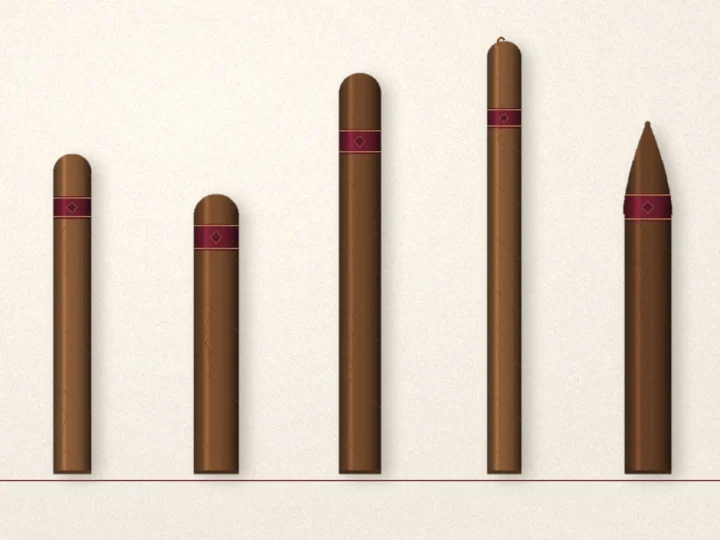
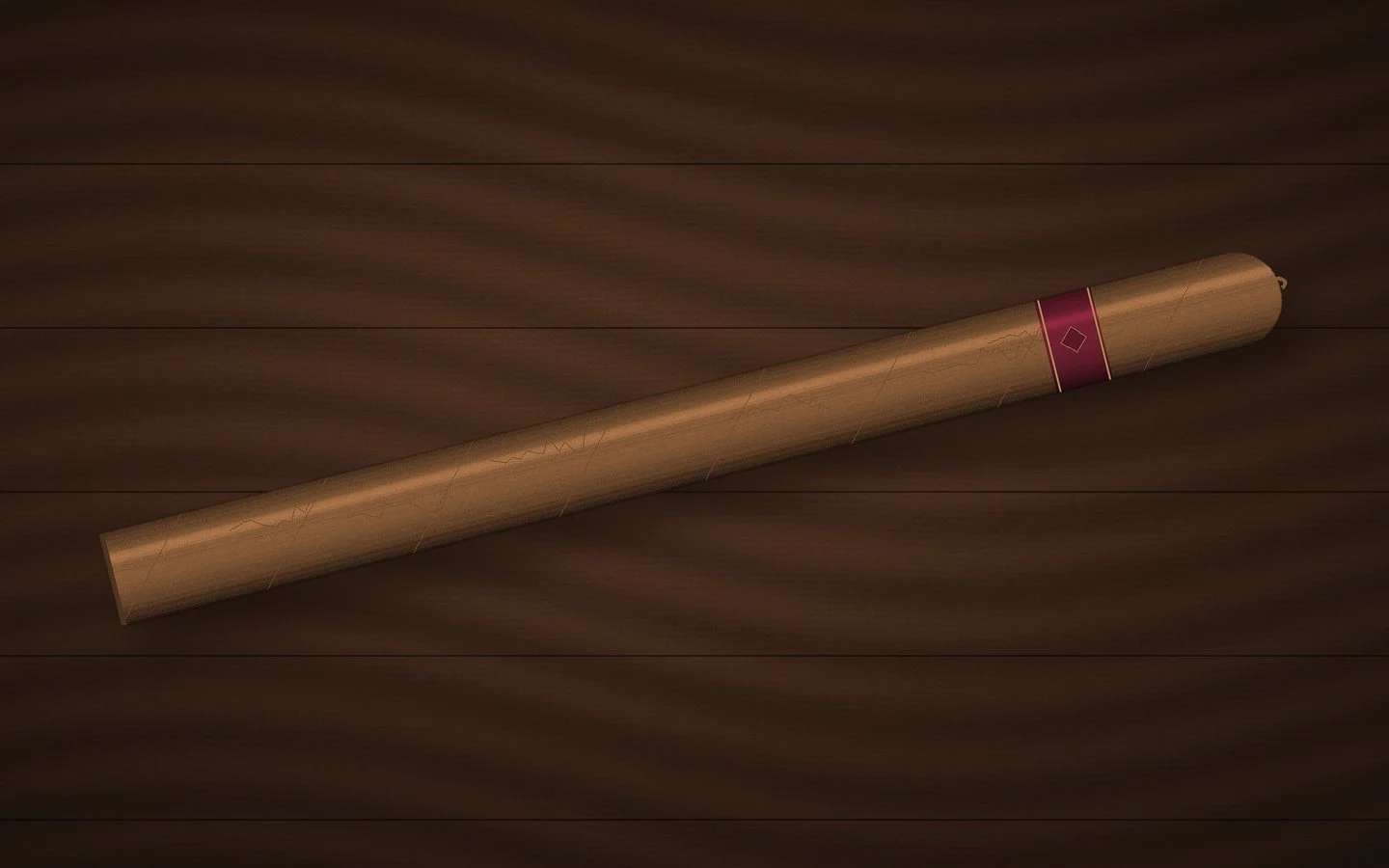
Cohiba became available to the public in the early 1980s. Its first sizes included the Lanceros — see What Is a Lancero Cigar? — along with the Coronas Especiales and Panetelas. Later lines expanded the range considerably.
What sets it apart
Descriptions of Cohiba often mention carefully selected leaf from Vuelta Abajo and an additional fermentation step for some of the tobacco. Treat such claims as the marque’s own description rather than independently measured facts; the most reliable way to understand a cigar is still to compare sizes and profiles yourself.
In the catalogue
Browse every Cohiba entry, including the Robusto and Lancero formats. For context on the wider family of marques, see Cuban Cigar Brands: A Guide to the Marques.