Buy Cuban Cigars Online at Cuban Cigar Hub
Cuban Cigar Hub is an online shop and reference guide for Cuban cigars, the hand-rolled Havana cigars (Habanos) made from tobacco grown in Cuba. Browse our Cuban cigar collection by brand, vitola and strength, with every cigar sold by the box of 10, then use our Cuban cigar guide to learn what makes each one distinctive.
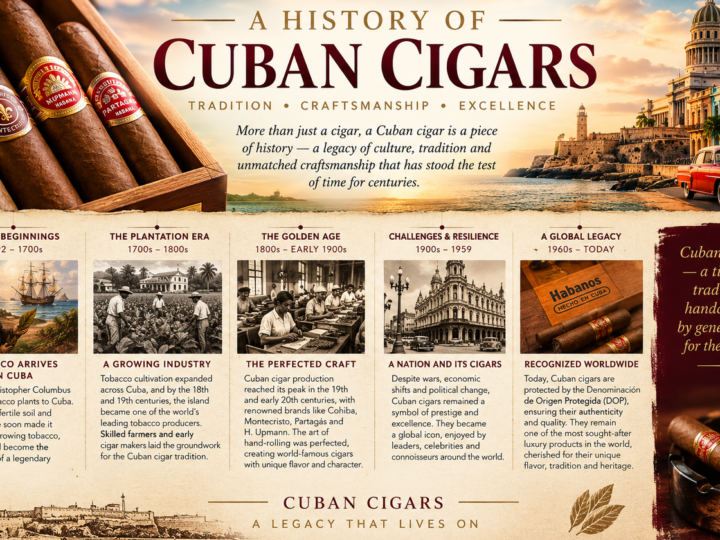
Much of the leaf in a Havana cigar comes from western Cuba, above all the Vuelta Abajo region of Pinar del Río, and Cuban cigars are marketed worldwide under the Habanos denomination of origin managed by Habanos S.A. Read how Cuban cigars are made or start with our history of Cuban cigars.
Shop by Cuban cigar brand
- Cohiba: Cohiba Robustos and Cohiba Lanceros. Read the history of Cohiba.
- Montecristo: Montecristo No. 2 and Montecristo No. 3. Read the history of Montecristo cigars.
- Romeo y Julieta: Romeo y Julieta Churchills and Short Churchills. Read the history of Romeo y Julieta.
- Partagás: Partagás Serie D No. 4. Read the history of Partagás.
- H. Upmann: H. Upmann Magnum 46. Read the history of H. Upmann.
- Hoyo de Monterrey: Hoyo de Monterrey Epicure No. 2. Read the history of Hoyo de Monterrey.
Not sure where to start? Compare the major marques in our guide to Cuban cigar brands.
Choose by size (vitola) and strength
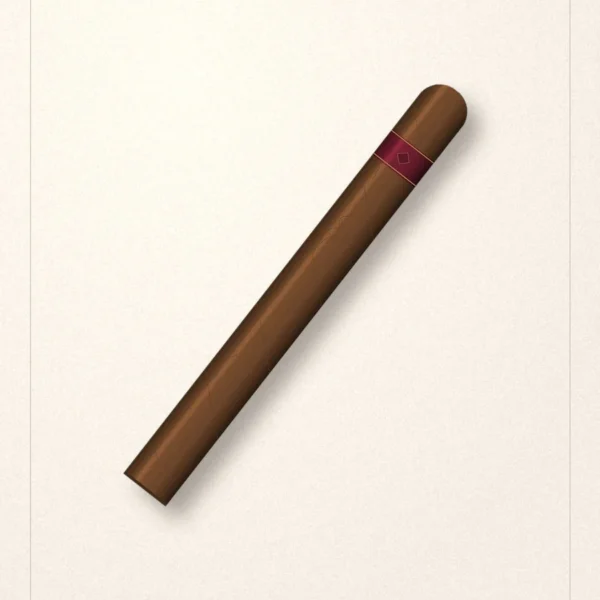
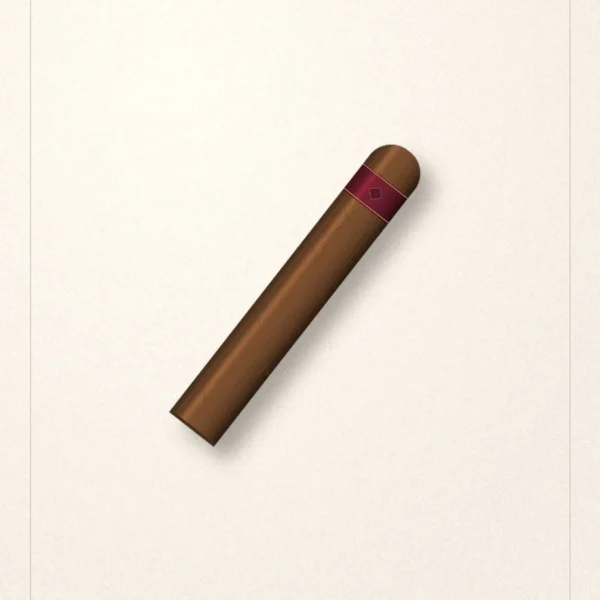
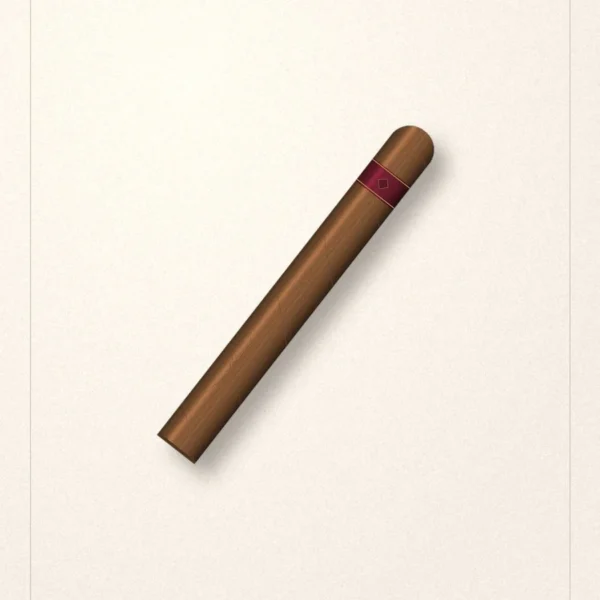
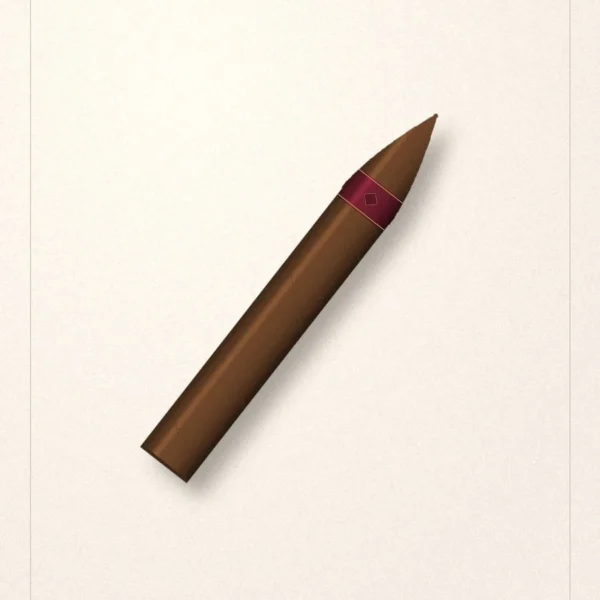
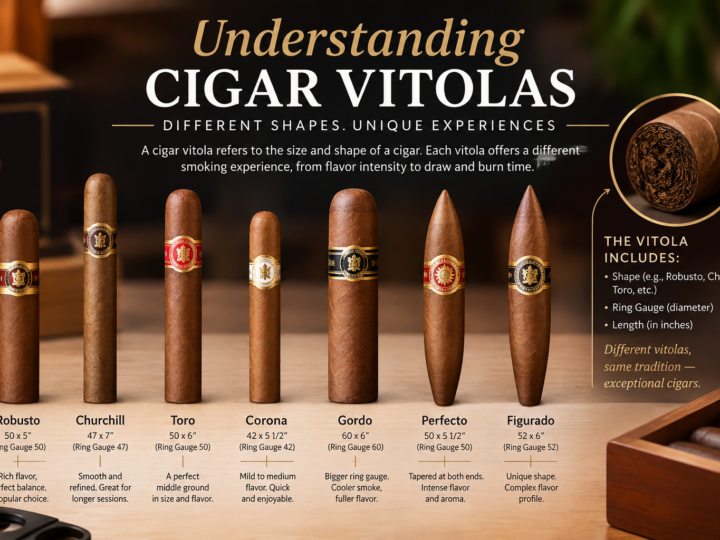
A cigar’s vitola, its length, ring gauge and shape, shapes how it smokes. Read Understanding Cigar Vitolas, compare Corona vs Robusto cigars, or learn about the Churchill, torpedo and Lancero. For body and intensity, see our cigar strength guide, and look up unfamiliar words in our Cuban cigar terminology glossary.
Cuban cigar FAQs
What are the best-known Cuban cigar brands?
Cohiba, Montecristo, Romeo y Julieta, Partagás, H. Upmann and Hoyo de Monterrey are among the most famous Havana cigar brands. Each has its own history, house style and signature vitolas.
What makes a cigar Cuban?
A Cuban cigar (or Habano) is made in Cuba from tobacco grown in Cuba and rolled entirely by hand. Habanos carry a protected denomination of origin, and much of the finest leaf comes from the Vuelta Abajo region of Pinar del Río.
What is a vitola?
A vitola is a cigar’s size and shape. Every Cuban cigar has a factory name (vitola de galera) and a commercial name (vitola de salida): the Montecristo No. 2, for example, is a Pirámide, a tapered torpedo shape.
How strong are Cuban cigars?
Strength varies by brand and size. Romeo y Julieta and H. Upmann are generally considered mild to medium, while Partagás and Cohiba are known for a fuller, richer profile.
How are cigars sold at Cuban Cigar Hub?
Our Cuban cigars are sold by the box of 10. Each product page lists the brand, vitola and strength so you can compare cigars before you buy. Cuban Cigar Hub is for adults of legal smoking age only.
How should I store Cuban cigars?
Keep cigars in a humidor at roughly 65 to 70 percent relative humidity and a stable temperature of around 18 to 21°C (64 to 70°F), away from direct sunlight.
More questions? Visit our full FAQ, read about responsible use or contact us.