In brief
- A cigar is made from three parts: filler, binder and wrapper.
- Leaf is cured, fermented, sorted and aged before rolling.
- Hand-rolling is only one stage of a process that takes a long time from seed to box.
A finished Cuban cigar is the end of a long sequence of agricultural and craft steps. The timings below are approximate and vary with the season, the leaf and the maker.
1. Growing
Seeds are raised in seedbeds and transplanted to the fields, known as vegas, in the cooler months. Wrapper tobacco is typically grown under cloth (tapado) to produce thin, even leaves, while filler and binder tobacco is grown in full sun. Vuelta Abajo in Pinar del Río is the region most associated with premium leaf; see A History of Cuban Cigars.
2. Harvesting by priming
Leaves are picked in stages from the bottom of the plant upward, a few at a time. Position on the plant matters: lower leaves (volado) burn well, middle leaves (seco) bring aroma, and upper leaves (ligero) bring strength. Our Cigar Strength Guide explains why.
3. Curing
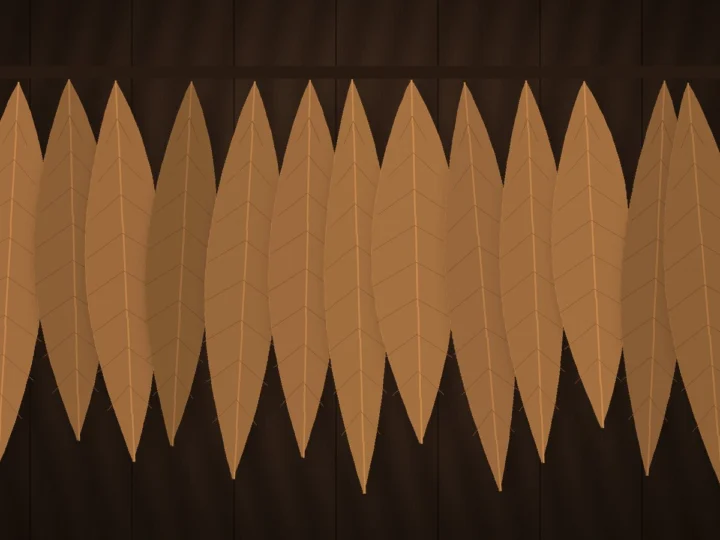
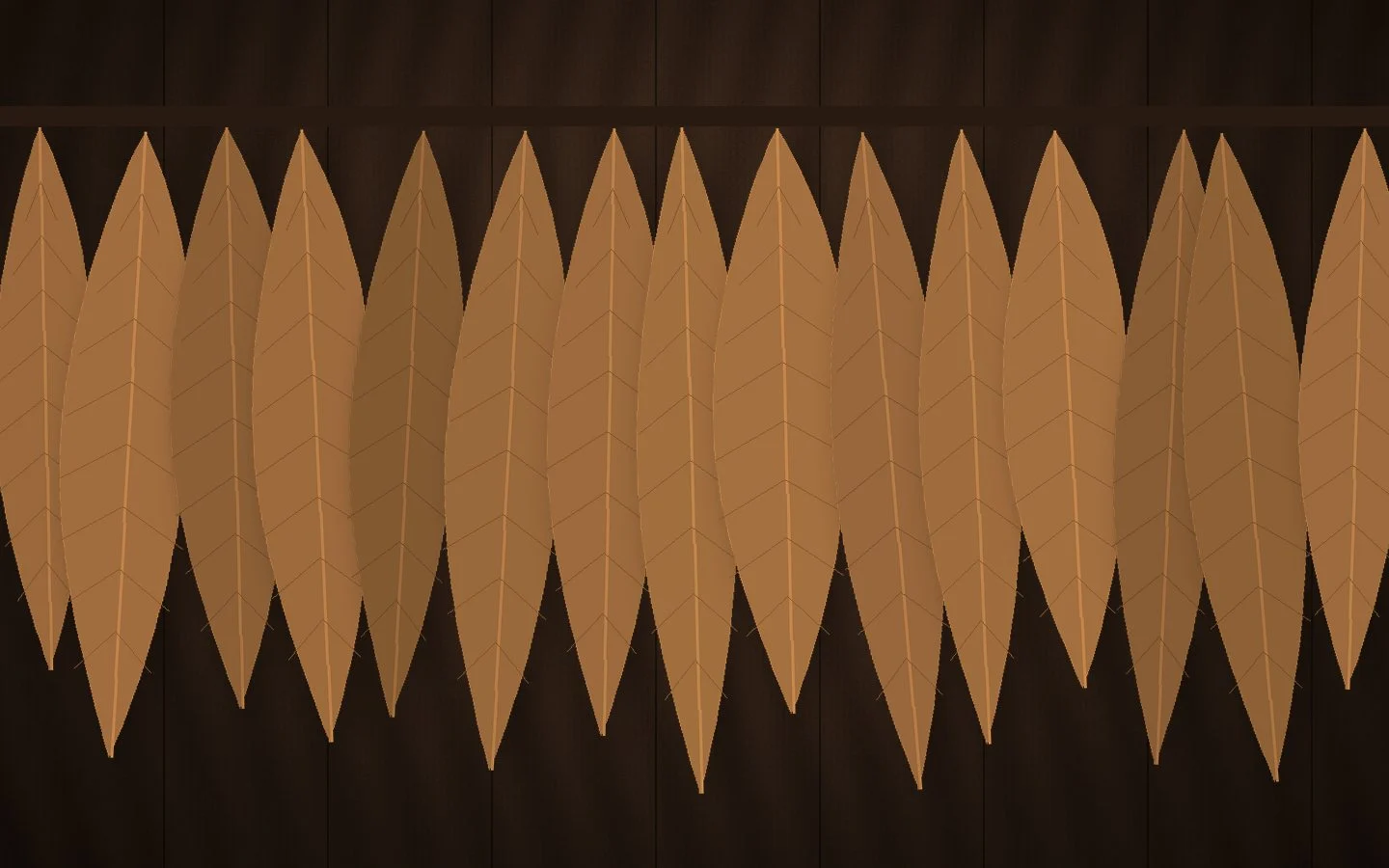
Harvested leaves are strung on poles and hung in curing barns (casas de tabaco), where they dry and change colour from green to brown over several weeks.
4. Fermentation
Cured leaves are stacked in piles, where natural heat builds up. The piles are monitored and turned to control temperature. Fermentation reduces harshness and develops flavour; leaves destined for stronger roles typically ferment longer.
5. Sorting and stripping
In the escogida, leaves are graded by size, colour, texture and quality. The central vein is removed (despalillo) from many leaves. Tobacco is then packed into bales, traditionally wrapped in palm bark (tercios), to age.
6. Rolling
In the factory, a torcedor assembles the filler leaves, wraps them in the binder to form a bunch, presses the bunch in a mould, and finally applies the wrapper and caps the head. Each roller works to a specific factory size, the vitola de galera; see Understanding Cigar Vitolas. Cigars described as totalmente a mano are made entirely by hand.
7. Quality control, sorting and boxing
Finished cigars are checked for dimensions, weight and draw. They are then sorted by wrapper shade so a box looks uniform, banded and packed. Many are rested before leaving the factory.
To learn the vocabulary of each stage, see our Cuban Cigar Terminology glossary, or browse the catalogue.