“Strength” is one of the most common ways cigars are described, and one of the most misunderstood. This guide explains what the word usually means, what influences it, and how to use strength labels in the catalogue sensibly.
Strength and body are different
Strength usually refers to the physical effect of nicotine. Body describes the weight or richness of the flavour in the mouth. A cigar can be full-bodied yet moderate in strength, or the reverse. Labels such as “Mild” or “Medium to Full” in a catalogue are a guide to the overall impression, not a measurement.
What makes a cigar stronger?
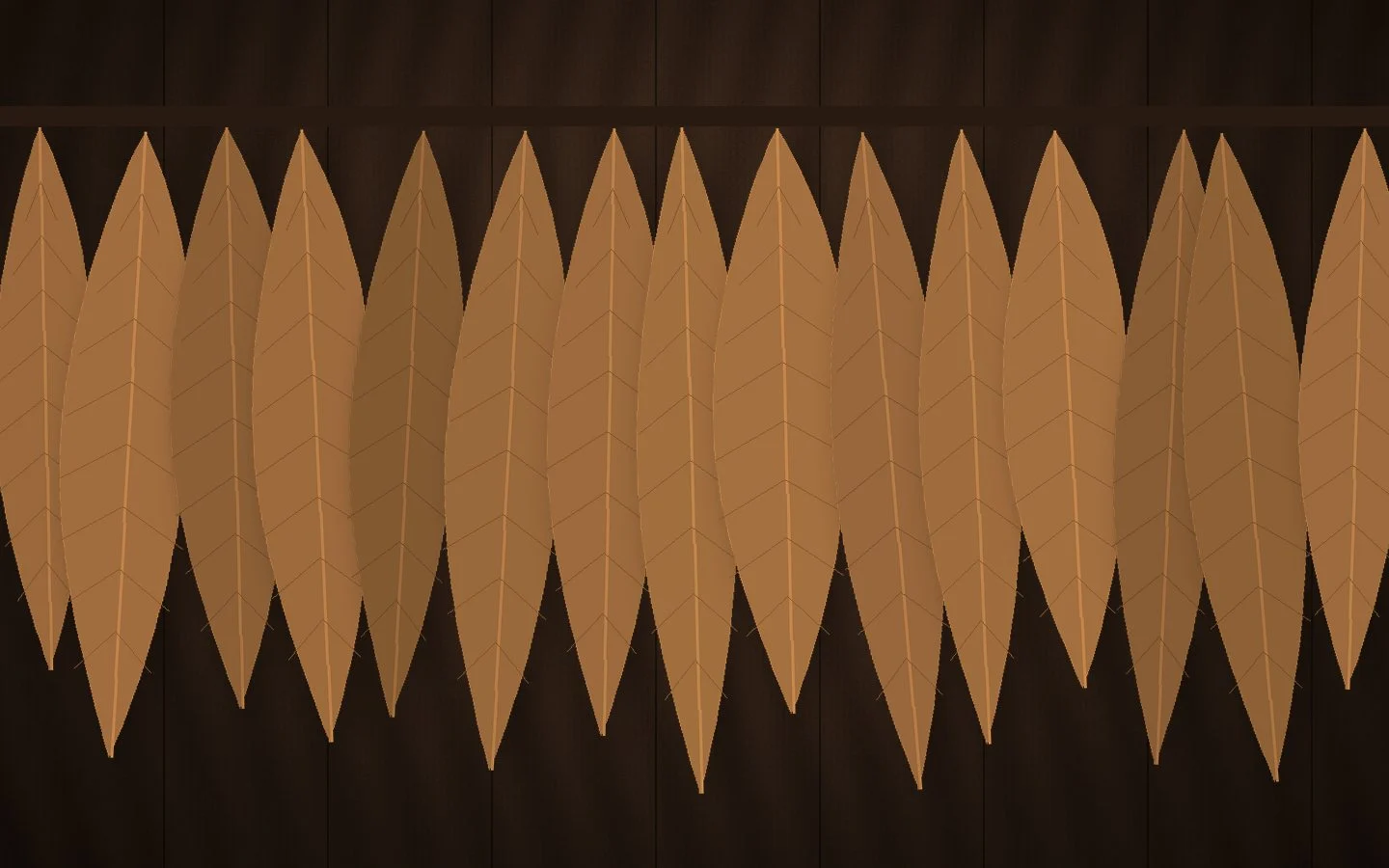
- Leaf position. Filler leaves are classed as volado (lower leaves, chiefly for burn), seco (middle leaves, chiefly for aroma) and ligero (upper leaves, the strongest). More ligero generally means more strength.
- Growing region and season. Soil and weather affect the leaf each year.
- Fermentation and ageing. Well-fermented and aged tobacco is generally smoother.
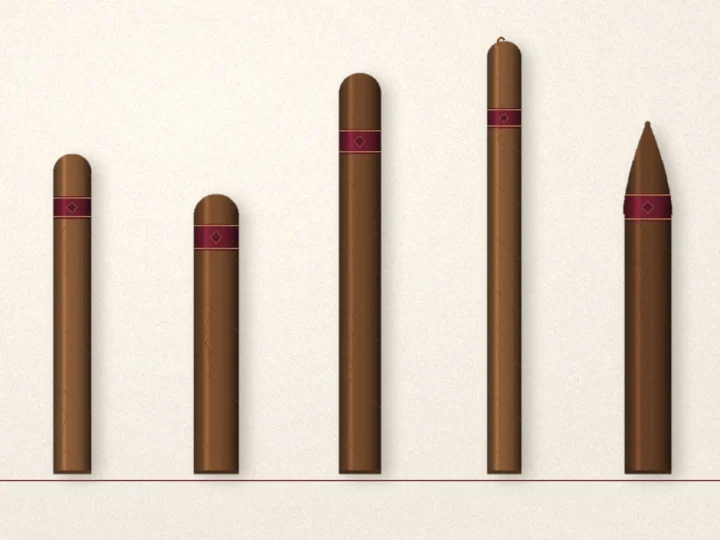
- Size. Girth and length change how the blend is experienced; see Understanding Cigar Vitolas.
The catalogue scale
| Label | What it usually suggests |
|---|---|
| Mild | A lighter, gentler impression. Often suggested for newcomers. |
| Mild to Medium | Balanced, with more flavour weight than a mild cigar. |
| Medium to Full | Richer and more assertive. Usually better suited to experienced smokers. |
Using strength sensibly
Everyone’s tolerance is different. Smoke slowly, do not inhale cigar smoke, and avoid smoking on an empty stomach. If you are new to cigars, start at the lighter end of the scale — Hoyo de Monterrey: History and House Style describes one marque often recommended for this — and be aware that tobacco products carry health risks.